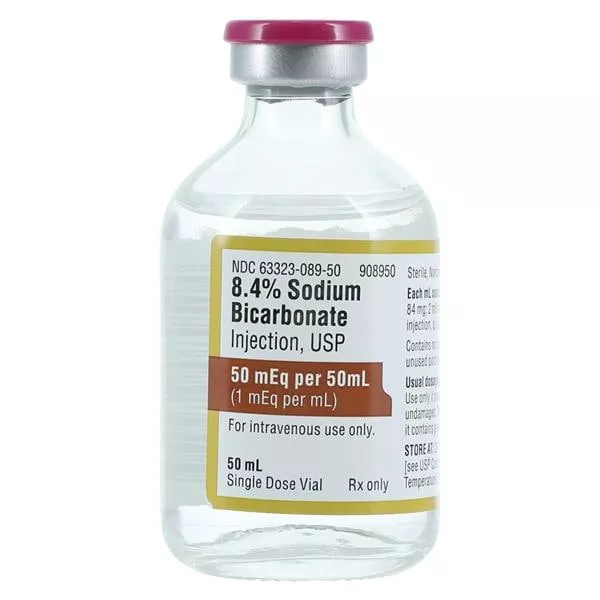
Sodium Bicarbonate 8.4% Injection SDV 8.4% 50mL – Medex Supply
Original price was: $41.56.$28.68Current price is: $28.68.
Description
Description
Key Features:
-
Active Ingredient: Sodium Bicarbonate (NaHCO3): A potent alkalizing agent that dissociates into sodium (Na+) and bicarbonate (HCO3−) ions in the body.
-
Concentration: 8.4%, which translates to 1 mEq (milliequivalent) of sodium bicarbonate per milliliter (1 mEq/mL). This is a highly concentrated solution, delivering 50 mEq of sodium bicarbonate in a 50 mL vial.
-
Volume: 50 mL per single-dose glass flip-top vial. This larger volume is suitable for situations requiring rapid and significant bicarbonate administration.
-
Preservative Free: This formulation does not contain any preservatives, which is crucial for intravenous administration and prevents potential adverse reactions associated with preservatives.
-
Sterile and Nonpyrogenic: Ensures the solution is free from microorganisms and fever-producing substances.
-
Hypertonic Solution: Its high concentration of solutes makes it hypertonic, meaning it has a higher osmolarity than human blood (approximately 2000 mOsmol/L). This property is important to consider during administration, as rapid infusion can lead to fluid shifts.
-
pH: The solution generally has an approximate pH of 8.0 (ranging from 7.0 to 8.5).
-
Single-Dose Vial: Designed for single use; any unused portion must be discarded to maintain sterility.
Uses:
-
Treatment of Metabolic Acidosis: Its primary indication is for the treatment of metabolic acidosis, which can arise from various severe conditions, including:
-
Severe renal disease (kidney failure)
-
Uncontrolled diabetes (diabetic ketoacidosis)
-
Circulatory insufficiency due to shock or severe dehydration
-
Extracorporeal circulation of blood (e.g., during cardiopulmonary bypass)
-
Cardiac arrest
-
Severe primary lactic acidosis
-
Severe diarrhea (which can lead to significant bicarbonate loss)
-
-
Certain Drug Intoxications: Used in the treatment of specific drug intoxications, such as:
-
Barbiturate poisoning (to promote dissociation of the barbiturate-protein complex)
-
Salicylate (aspirin) poisoning
-
Methyl alcohol poisoning
-
-
Alkalinization of Urine: In hemolytic reactions, it can be used to alkalinize the urine to diminish the nephrotoxicity (kidney damage) of certain substances.
-
Cardiac Arrest Management: A key component in advanced cardiac life support (ACLS) protocols for managing severe acidosis during cardiac arrest, although its use is specific and guided by blood gas analysis.
-
Adjunctive Therapy: Used as an adjunct to other therapies to restore acid-base balance and support physiological functions during critical illness.
Related products
-
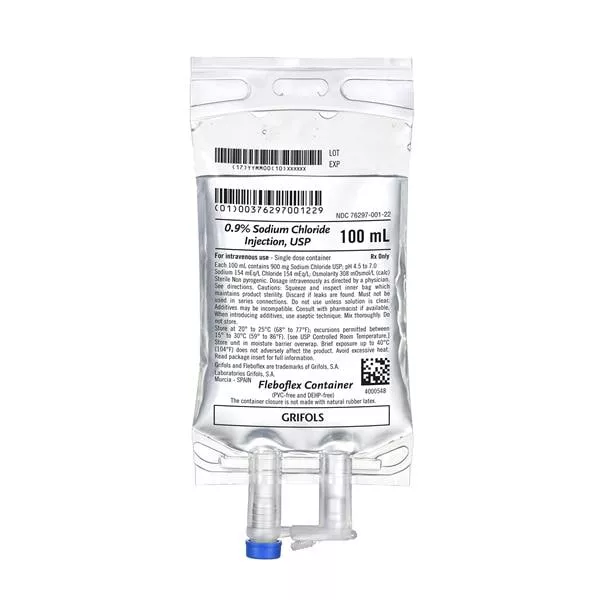
Grifols – 100Ml 0.9% Sodium Chloride Injection, Usp, 70/Cs – Medex Supply
Original price was: $192.76.$136.07Current price is: $136.07. -
Carolon – Health Support – 251309 – Compression Socks Size C / Regular Brown Closed Toe
Original price was: $318.54.$171.34Current price is: $171.34. -
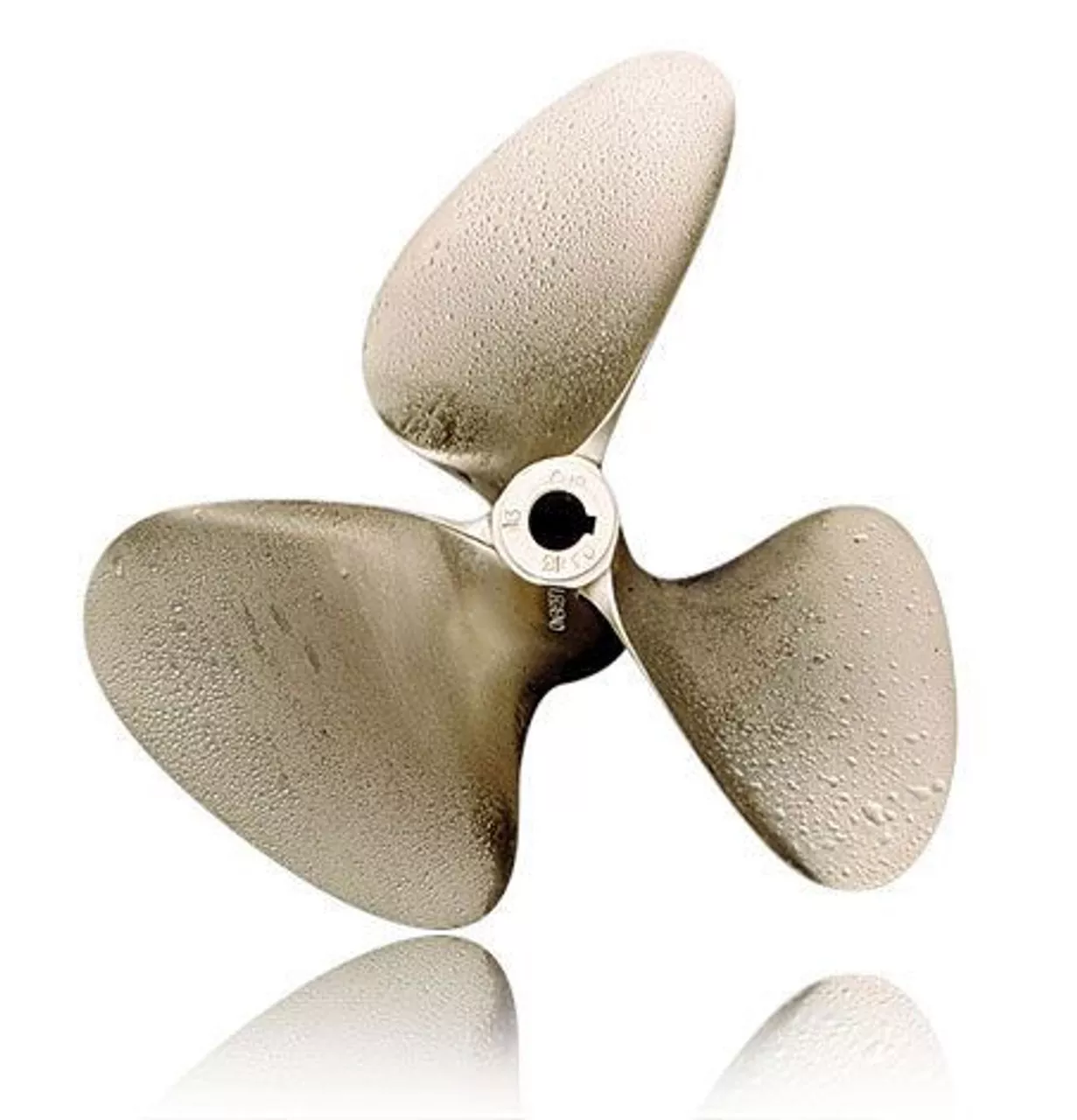
LEGEND 13 X 13 RH 3 BLD 1
Original price was: $70.24.$48.54Current price is: $48.54. -
Imprint™ 4 VPS Impression Material Super Quick Regular Cartridge Refill 3M™ ESPE™ 71489
Original price was: $107.01.$69.43Current price is: $69.43. -
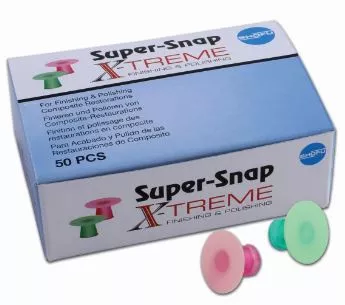
Shofu Super-Snap X-Treme
Original price was: $28.05.$17.56Current price is: $17.56. -
3M Paradigm Nano Hybrid Universal Restorative, 1480A2, 1 – 3g Syringe, A2
Original price was: $107.96.$75.45Current price is: $75.45. -
Clinton Sports Training Taping Table with Shelf, 27″ Wide, Allspice – Medex Supply
Original price was: $365.56.$274.97Current price is: $274.97. -
NTI Diamonds C909-040 5/Pk
Original price was: $95.16.$70.54Current price is: $70.54.