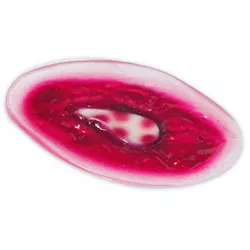
Chest Wound, 800-832 – Medex Supply
Original price was: $27.16.$15.32Current price is: $15.32.
Description
Description
Key Features
-
Realistic Wound Replica: The prosthetic is a three-dimensional replica of a chest wound. It is made from a lifelike, durable material that mimics the feel and appearance of human tissue. The detailing of the wound adds to the realism.
-
Graphic Realism: The realism of this injury is crucial for a true-to-life training experience, as it helps to prepare students for the emotional and physical reality of a traumatic incident.
-
Easy Application: The prosthetic can be easily attached to a manikin or a human actor’s chest using an adhesive. It can be further enhanced with makeup and simulated blood to create a complete and realistic wound.
-
Durable and Reusable: The prosthetic is made from a durable material that is designed to withstand repeated use in a medical training environment.
-
Anatomical Accuracy: The prosthetic is designed to fit the contours of a human chest, ensuring that the wound appears anatomically correct.
Uses
The Chest Wound is used in a wide range of emergency training settings to:
-
Enhance Training Realism: It is an ideal tool for creating high-fidelity, visually shocking scenarios that prepare students and professionals for the emotional and physical reality of a traumatic incident.
-
Train in Trauma Care: The prosthetic is essential for training military and tactical first responders in protocols for chest trauma, hemorrhage control, and dressing application.
-
Develop Assessment Skills: By creating a realistic injury, the prosthetic challenges students to perform thorough patient assessments and prioritize care based on the severity of the wounds.
-
Facilitate Trauma Simulations: The prosthetic can be used to set up complex trauma simulations, helping healthcare teams improve communication, coordination, and rapid decision-making in a high-stakes environment.
-
Support Hands-on Learning: The realistic look and feel of the wound ensure that students get accurate, hands-on experience, which is crucial for building confidence and competency in performing life-saving interventions.
Related products
-
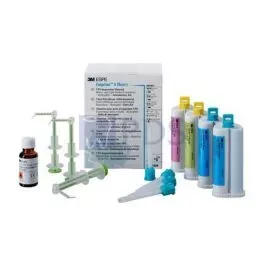
Imprint™ 4 Heavy Impression Material Intro Kit 3M™ ESPE™ 71534
Original price was: $117.44.$75.14Current price is: $75.14. -
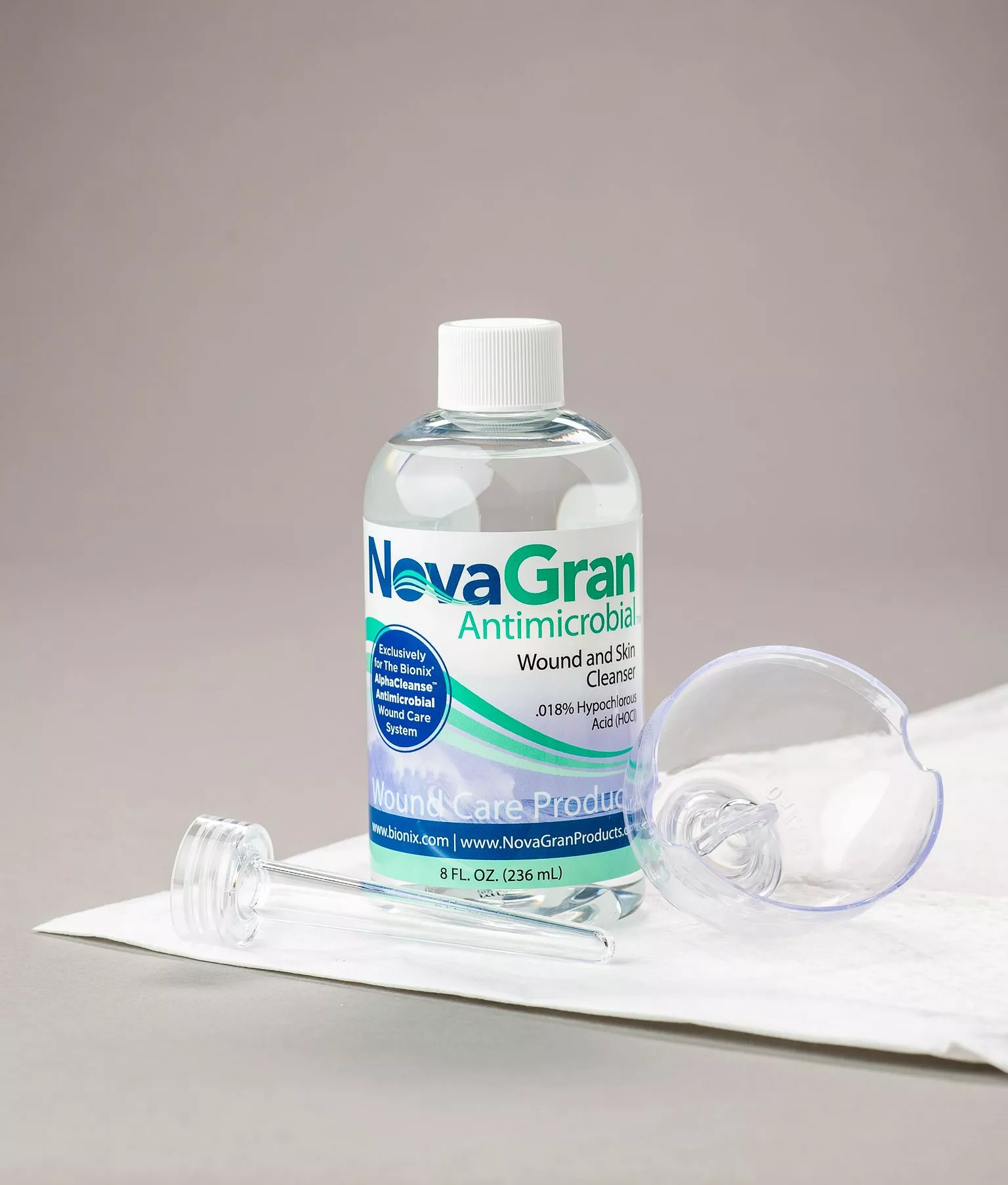
AlphaCleanse™ Antimicrobial Wound Care System – Medex Supply
Original price was: $31.16.$17.05Current price is: $17.05. -
Imprint™ 3 Quick Step VPS Impression Material – Cartridge Refill Heavy Body, Green 3M™ ESPE™ 10971
Original price was: $114.81.$65.05Current price is: $65.05. -
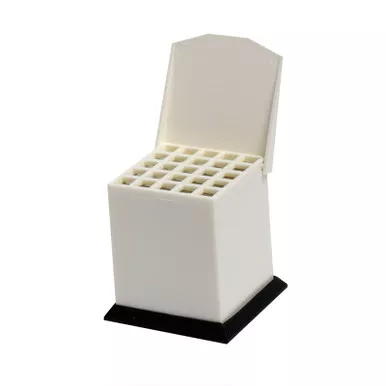
Cotton Pellets Dispenser – White
Original price was: $47.96.$27.95Current price is: $27.95. -
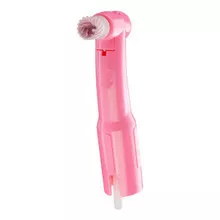
Young Contra Disposable Prophy Angles
Original price was: $187.19.$95.08Current price is: $95.08. -
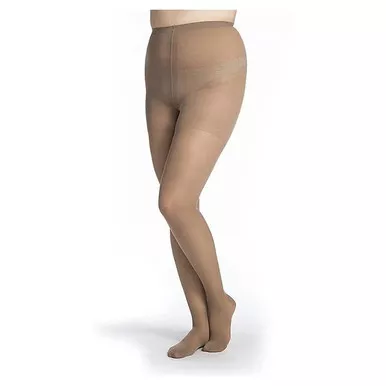
Sigvaris – 781Pmsw73 – Womens Eversheer Pantyhose – 15 – 20 Mmhg – Short – Cafe
Original price was: $52.93.$27.71Current price is: $27.71. -
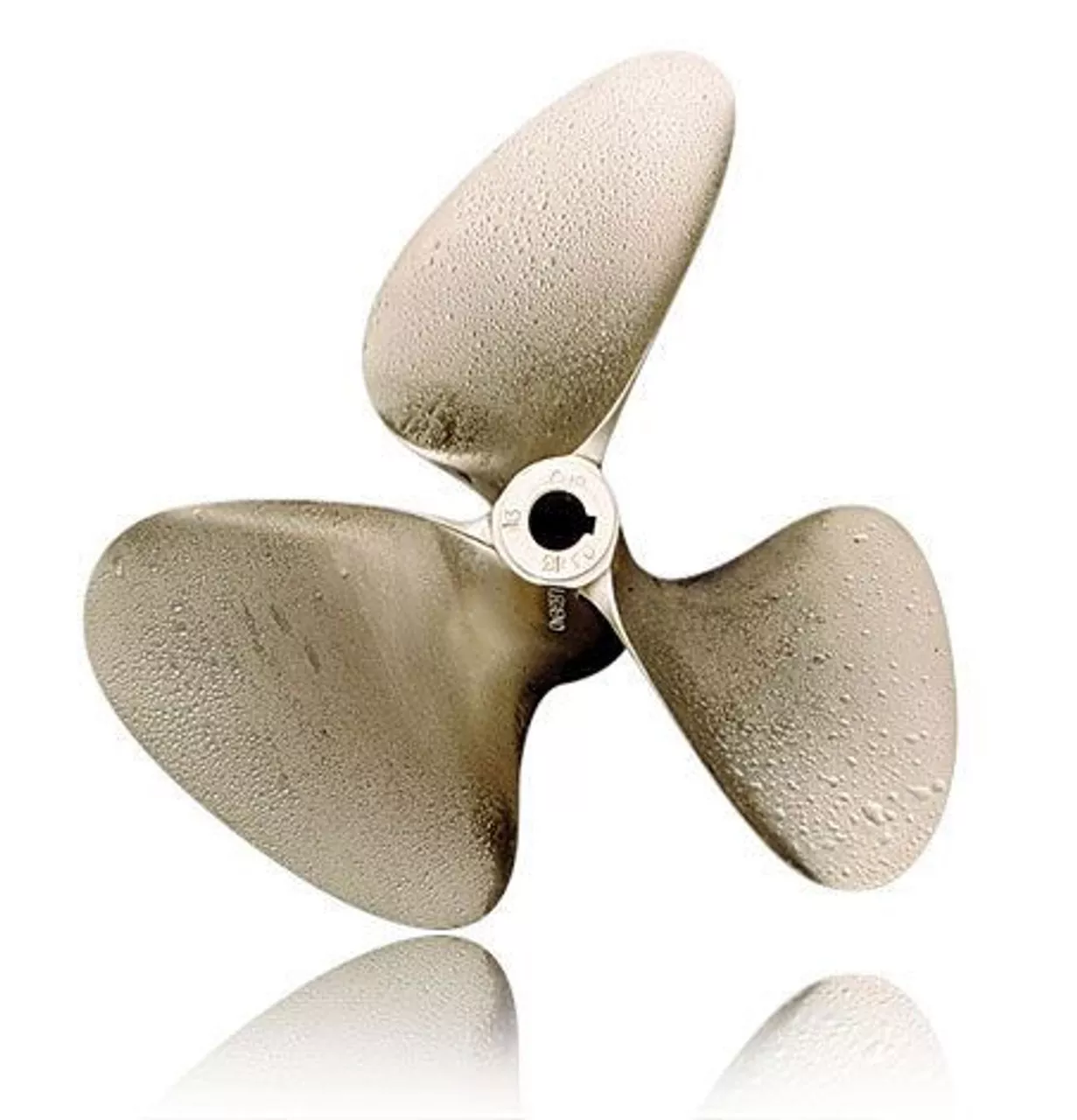
LEGEND 13 X 13 RH 3 BLD 1
Original price was: $70.24.$48.54Current price is: $48.54. -
Imprint™ 4 VPS Impression Material Super Quick Regular Cartridge Refill 3M™ ESPE™ 71489
Original price was: $107.01.$69.43Current price is: $69.43.